





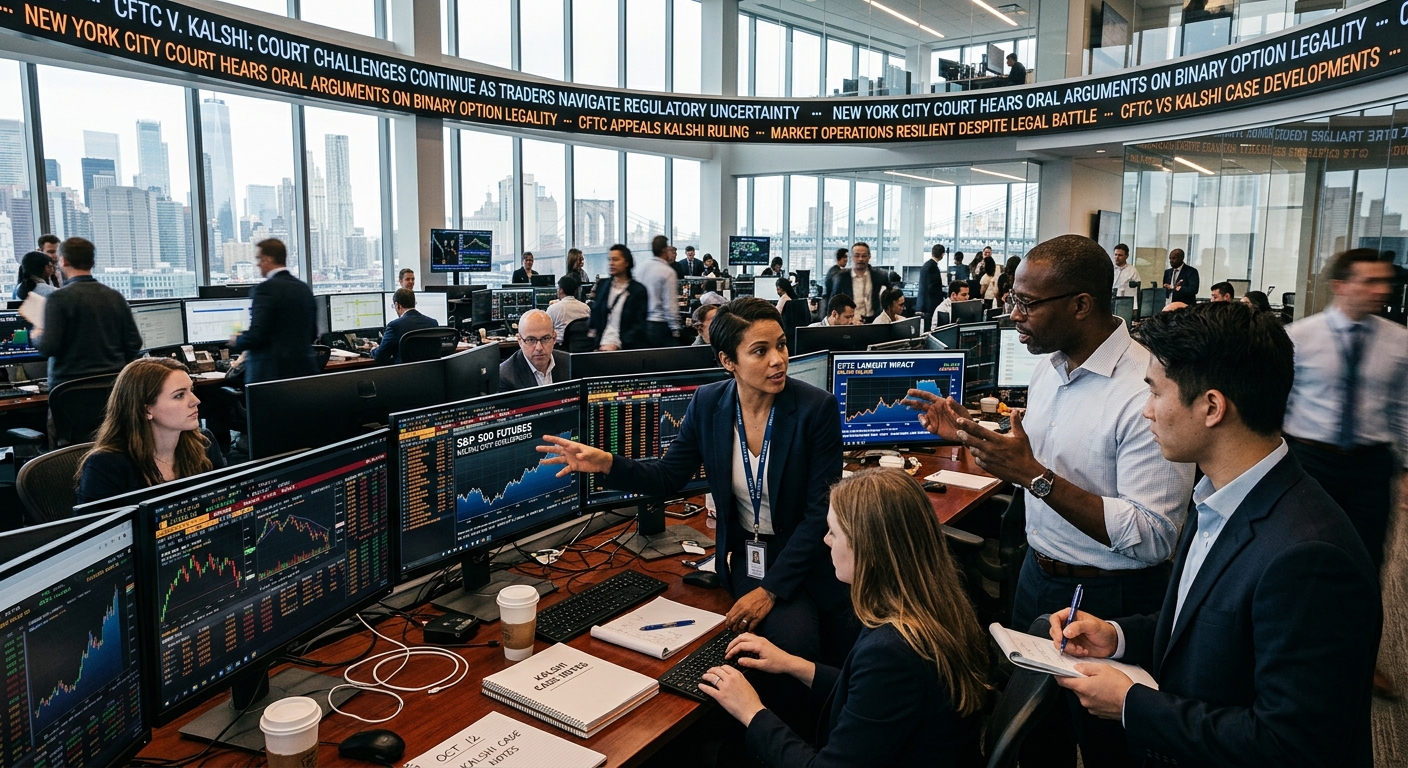

Highlights:
– The CFTC has ordered prediction market Kalshi to resume operations amid a legal dispute with New York state.
– New York’s enforcement actions have raised questions over the regulatory authority over prediction markets, potentially affecting operations nationwide.
– The conflict reflects ongoing national discussions about the jurisdiction of state vs. federal laws in the context of gambling and derivatives.
CFTC Steps in to Protect Prediction Market Operations
On Tuesday, the U.S. Commodity Futures Trading Commission (CFTC) exercised its emergency authority to ensure that Kalshi, a prediction market, continues its operations despite a legal challenge from New York state. In a significant move, the CFTC deemed New York’s request for a temporary restraining order against Kalshi as a market emergency. This order allows Kalshi to function according to its standard practices and adhere to the principles outlined in the Commodity Exchange Act, highlighting the CFTC’s commitment to maintaining a uniform national market.
Kalshi is facing allegations from New York that it is running an unlicensed gambling enterprise by offering contracts linked to various events, such as sports and elections. The state’s legal actions could demand billions in damages and have sparked a debate about the regulatory landscape for prediction markets. This situation underscores the crucial tension between state authority and federal jurisdiction in overseeing gambling and derivatives trading.
Legal Dispute Highlights Regulatory Tensions
New York’s enforcement case against Kalshi centers on claims that the platform’s business activities qualify as illegal gambling under state laws, as the state pursues punitive measures and restitution amounting to a potential $36 billion. Kalshi’s defense rests on the argument that a federally licensed exchange cannot be shut down by state regulations, asserting that the Commodity Exchange Act grants the CFTC exclusive control over such financial transactions.
Recent rulings from federal judges have illustrated the complexities of this issue. One judge rejected Kalshi’s request for a preliminary injunction, asserting that federal law does not preempt state gambling laws concerning the sports-event contracts sold by Kalshi. This decision, coupled with an earlier CFTC lawsuit against New York seeking to defend its jurisdiction, suggests a complicated legal landscape that could set precedents for both derivative and gambling markets.
Implications for the Future of Prediction Markets
The CFTC’s recent actions signal an ongoing struggle for control over prediction markets, with potential ramifications reaching beyond New York. The agency’s efforts to litigate against not just New York but also eight other states highlight the importance of establishing a clear jurisdictional framework. This confrontation raises critical questions about the future of such markets in the U.S. and how they will be regulated moving forward.
As the legal battle unfolds, stakeholders in the prediction market space must navigate the intricacies of both federal and state regulations. The resolution of this issue could redefine how prediction markets operate and interact with existing gambling laws, ultimately shaping the future landscape for federal oversight in this burgeoning industry.
In conclusion, the ongoing conflict between the CFTC and New York over Kalshi’s operations reveals significant legal and regulatory challenges ahead. As the situation continues to develop, what implications will this have for other prediction markets? Will the outcome lead to a more cohesive regulatory framework across states, or will it further entrench the divide between state and federal law? How might this influence public perception of prediction markets as a legitimate form of investment?
Editorial content by Finley Adams
