







Highlights
- Centrifuge integrates Symbiotic’s liquidity network across three major tokenized funds, facilitating immediate access to USDC for asset holders.
- The collaboration includes funds from Janus Henderson, known for its significant asset management prowess in the financial sector.
- Symbiotic’s Liquid Lane enhances liquidity options while addressing the challenges of low trading volumes in tokenized markets.
Introduction to Centrifuge’s New Liquidity Network
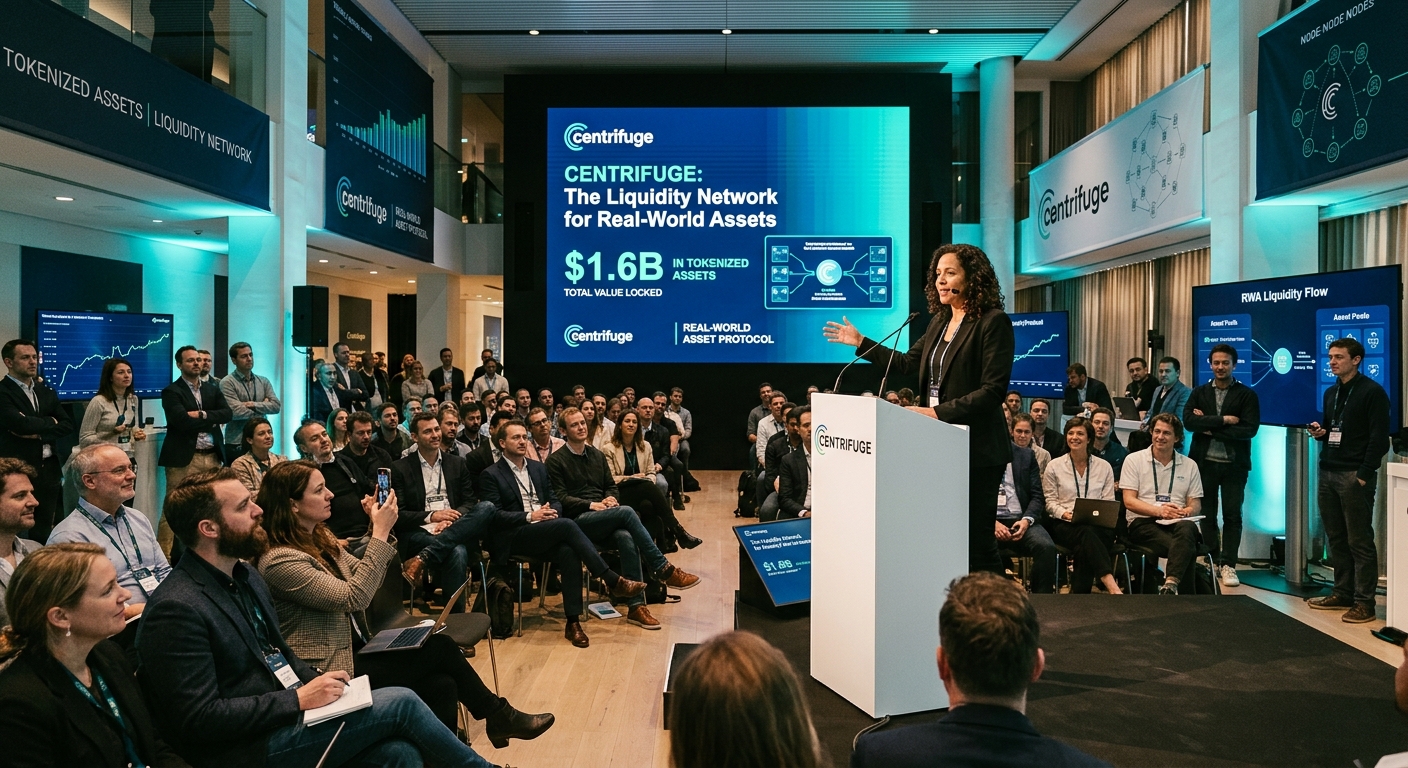
Centrifuge, a prominent platform in the asset tokenization space, has recently enhanced its offerings by integrating Symbiotic’s liquidity network. This development involves three tokenized funds that collectively represent a staggering $1.6 billion in assets under management. The significance of this integration lies in providing eligible holders an innovative method to convert their tokenized positions into USDC, a stable and widely accepted digital asset, thus increasing liquidity in the tokenized asset market.
The integration specifically covers three key strategies from Janus Henderson, a global leader in asset management, which include an AAA-rated collateralized loan obligation strategy, a short-duration US Treasury strategy, and a high-yield corporate bond strategy. This move not only showcases Centrifuge’s commitment to advancing the accessibility of tokenized assets but also highlights the growing mainstream acceptance of blockchain technology in traditional finance.
Exploring Symbiotic’s Liquid Lane
Symbiotic’s Liquid Lane is architected as an on-chain request-for-quote (RFQ) marketplace designed to boost liquidity for tokenized funds. Market makers can leverage this feature to fulfill redemption requests by accessing liquidity from vaults. This mechanism allows market makers the flexibility to redeem fund tokens either directly through the issuer or by executing another RFQ transaction. Essentially, this framework allows investors to receive USDC promptly while managing regular redemption processes separately, optimizing the overall liquidity cycle.
Felix Lutsch, Symbiotic’s head of ecosystem, emphasized that this addition does not mark the first liquidity route for Centrifuge’s products. The ecosystem has been slowly but surely expanding with partnerships like the one with Wintermute, which has already facilitated instant redemptions for one of Janus Henderson’s strategies. However, Liquid Lane stands out due to its capital structure and the multiple player participation it enables, aiming to tackle the low flow and trading volume issues that have hampered market makers’ incentives in this nascent sector.
Implications for the Tokenized Asset Market
The new functionalities introduced by the Liquid Lane not only enhance Centrifuge’s liquidity options but also drive discussions on the future of tokenization as a viable financing avenue. By aggregating redemption demands across various issuers and asset classes, this approach seeks to improve liquidity economics, particularly as tokenized assets gain traction as collateral and operational financing assets in on-chain markets.
Moreover, this evolution signifies a vital shift in how digital assets can operate within a more traditional investment framework, potentially attracting a wider range of institutional interest. As tokenized assets become increasingly prominent in the financial landscape, collaborative efforts like those between Centrifuge and Symbiotic could pave the way for a more integrated and fully operational tokenized financial system.
Conclusion:
In summary, Centrifuge’s integration with Symbiotic introduces an essential avenue for liquidity in the realm of tokenized assets, with the capacity to transform the trading landscape and attract investor interest. This partnership marks a critical step in addressing earlier challenges associated with tokenized funds. As we anticipate further developments in this space, how might these enhanced liquidity options influence investment strategies? What role will regulations play in shaping the future of tokenizations? And could this collaboration signify the rise of a new standard in asset management?
Editorial content by Riley Parker
